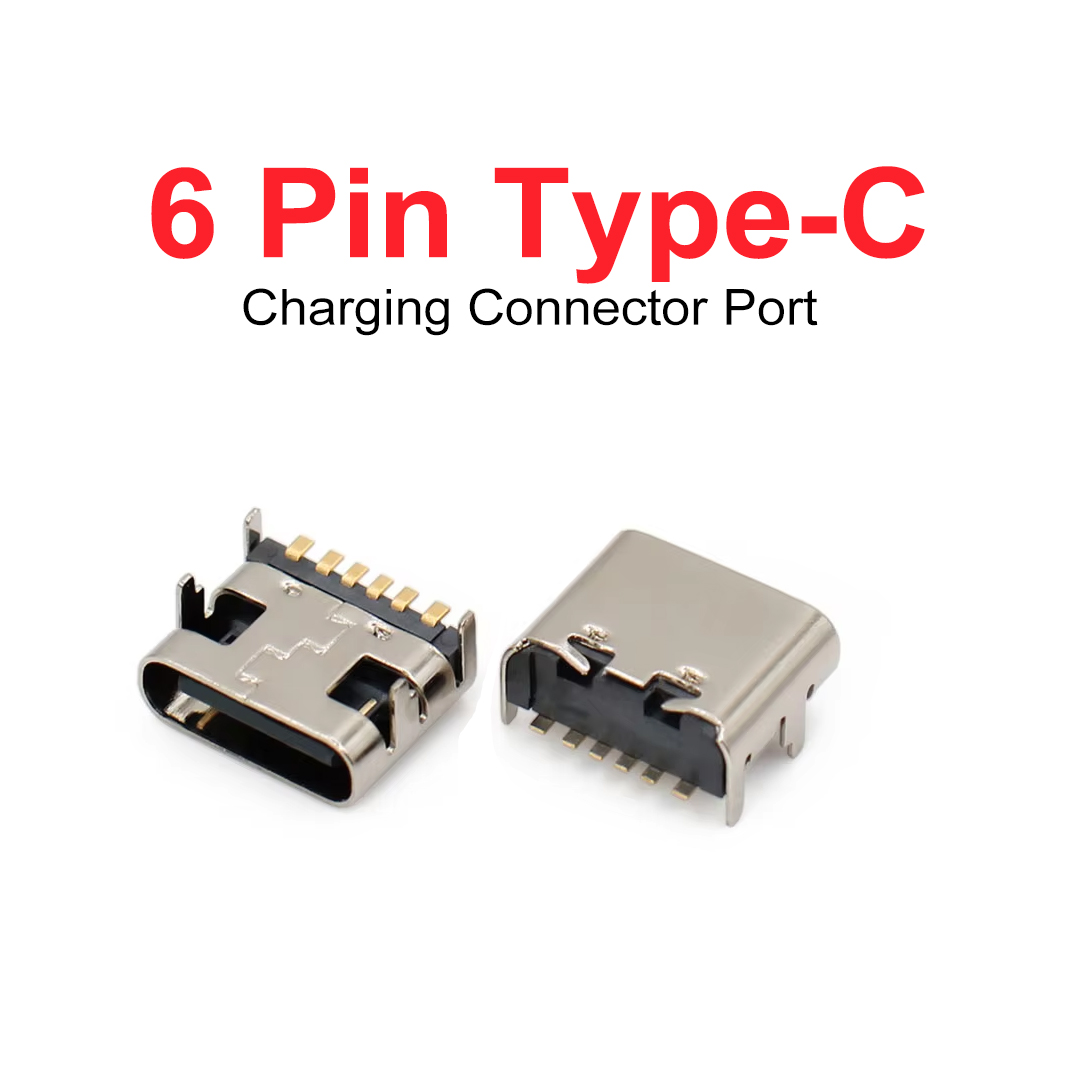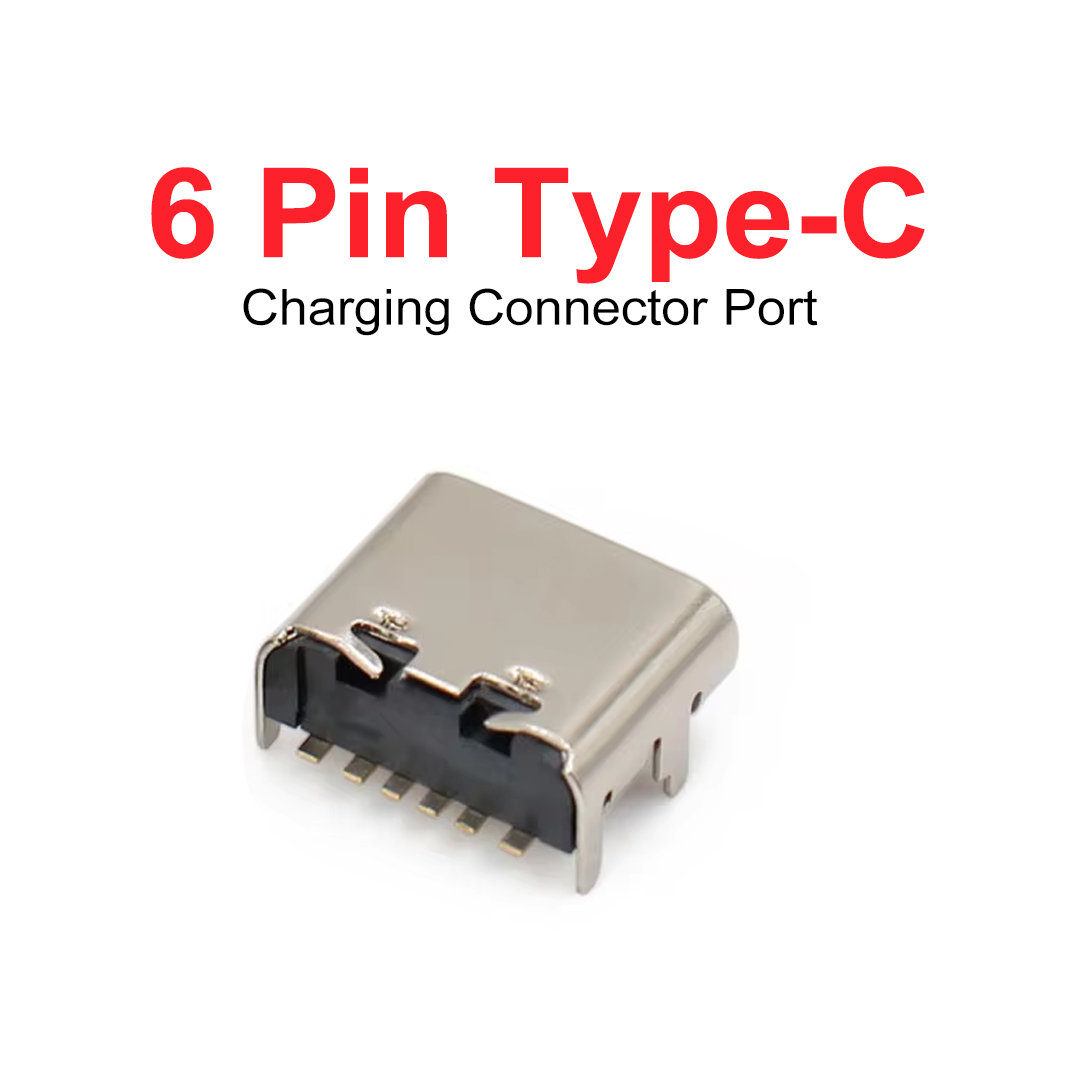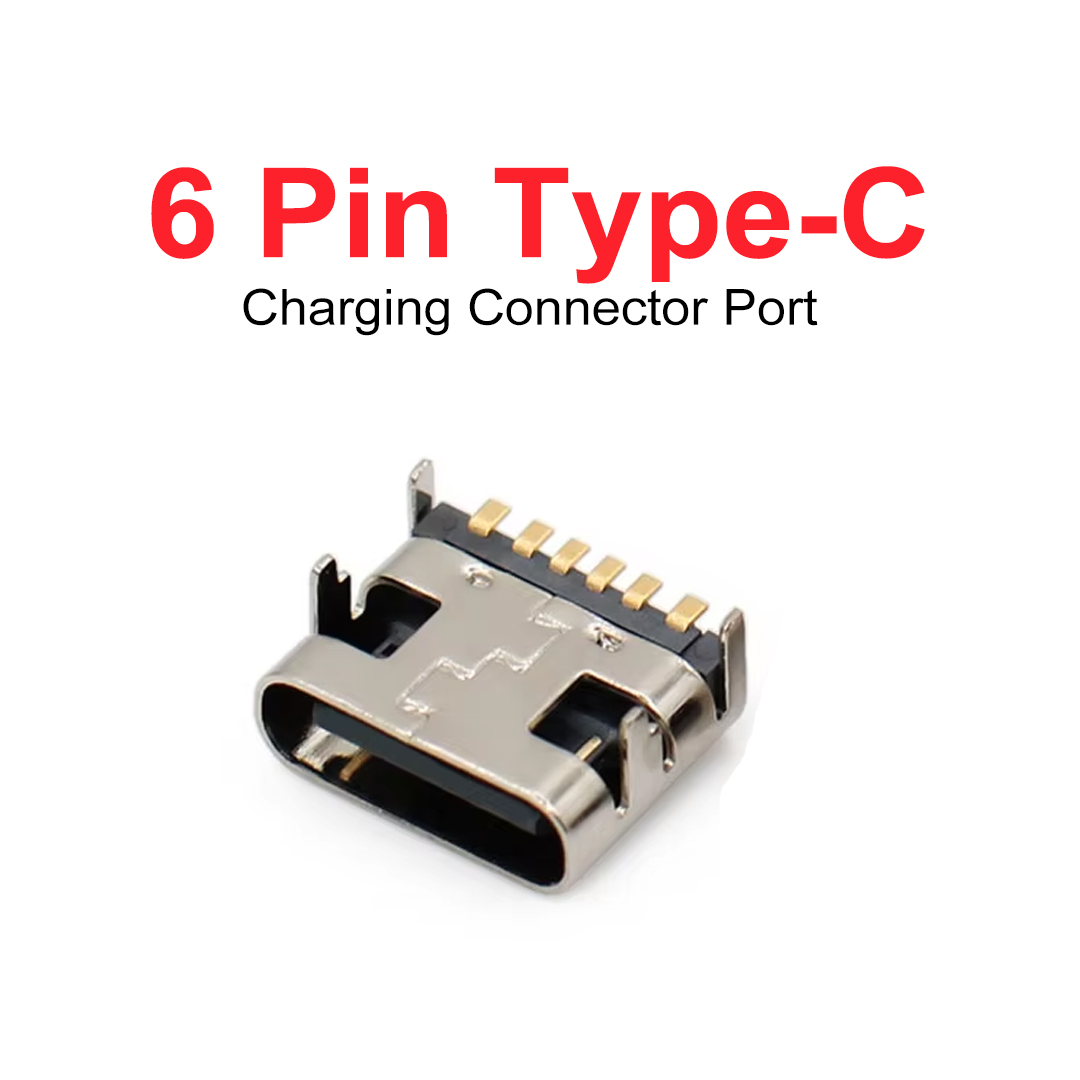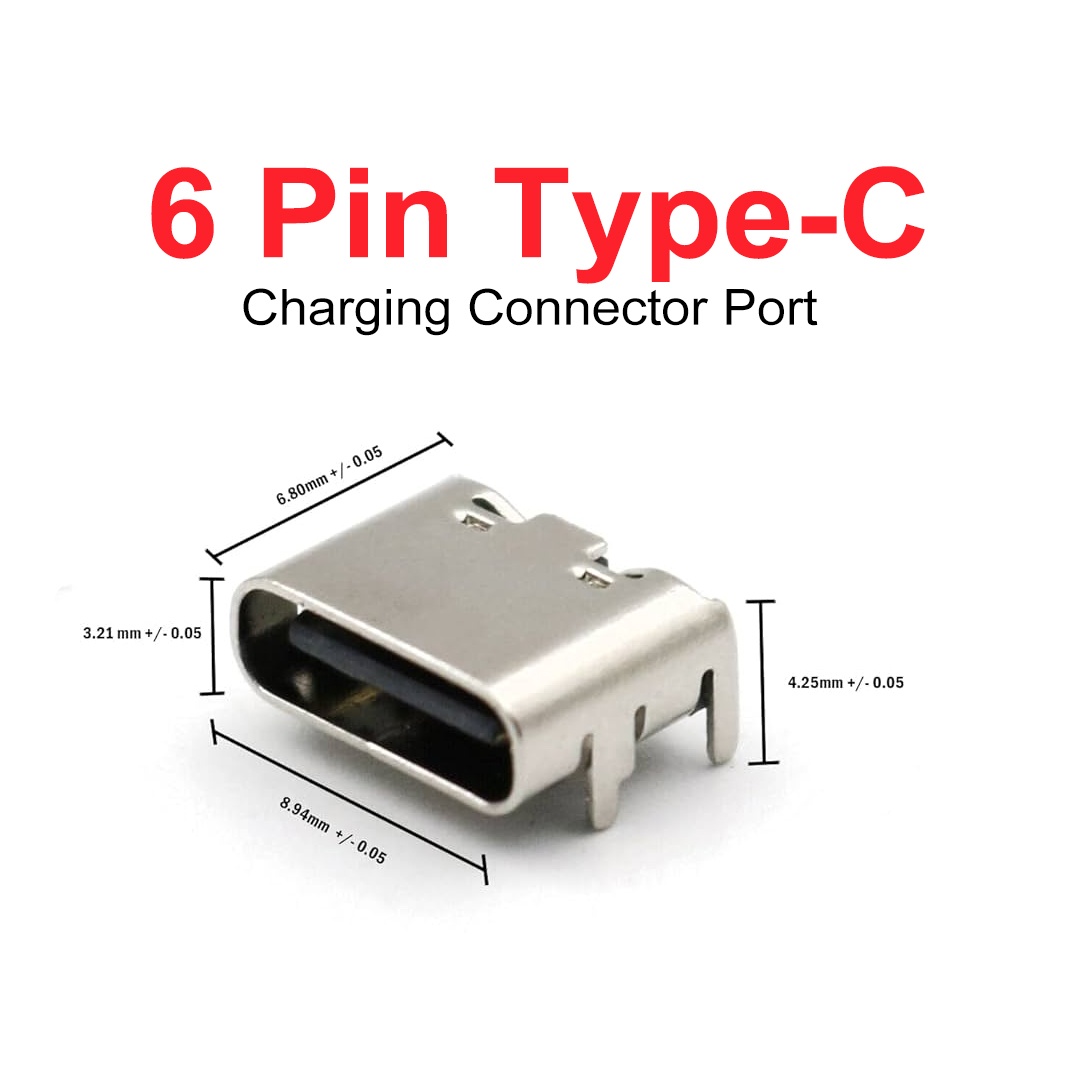
6 Pin Type-C Charging Connector Port for Smartphone Motherboard Repair
Durable 6 Pin Type-C charging connector for motherboard repairs.
High-quality Type-C port replacement for smartphone charging issues.
Reliable 6 Pin charging socket ensures stable power connection.
Compact Type-C connector ideal for mobile repair technicians.
Precision-built charging port for efficient smartphone motherboard repair.
Strong and durable Type-C socket for long-lasting performance.
Easy-to-install 6 Pin charging connector for mobile devices.
Premium Type-C charging port supports secure power transfer.
Professional-grade motherboard charging connector for smartphone maintenance.
Replacement Type-C port restores charging functionality effectively.
30
Professional-Grade Motherboard Repair Component
A premium, high-durability replacement charging jack specifically designed for Surface Mount Technology (SMT/SMD) soldering on smartphone motherboards. Engineered to restore fast charging and stable data connections for thousands of Android and multi-brand device models.
| Feature / Attribute | Product Specification Details |
| Product Name | 6-Pin Type-C Charging Connector Port (Female Receptacle) |
| Interface Type | USB Type-C (USB 2.0 / Power Delivery baseline compatibility) |
| Pin Configuration | 6 Pins (Optimized for Power/Charging + Basic Grounding/Data) |
| Mounting Type | SMD / SMT (Surface Mount Technology) with structural anchor legs |
| Contact Material | High-conductivity Copper Alloy with Gold Plating (prevents oxidation) |
| Shell Material | Reinforced Stainless Steel / Nickel-Plated Steel (anti-deformation) |
| Insulator Material | High-Temperature Thermoplastic (UL94V-0 rated to withstand soldering heat) |
| Current Rating | Supports up to 3.0A (Safe for quick charging protocols) |
| Voltage Rating | 5V - 20V DC |
| Insulation Resistance | 100 M? Min |
| Contact Resistance | 40 m? Max |
| Mechanical Life | 10,000+ Mating/Unmating cycles (Industrial Standard durability) |
| Aspect | Coverage & Targeting Details |
| Device Compatibility | Widely used in mid-range and budget smartphones, tablets, and mobile accessories. |
| Brand Applications | Fits generic and major smartphone brands (Xiaomi/Redmi, Realme, Oppo, Vivo, Samsung M/A series, Infinix, Techno, and Motorola) utilizing a 6-pin trace design. |
| Common Use Cases |
• Replacing physically broken or loose charging ports. • Repairing liquid-damaged/corroded charging docks. • Fixing devices that only charge when the cable is held at a specific angle. • Restoring power to devices with burnt or shorted charging traces. |
| Target Audience | Micro-soldering technicians, mobile repair shops, DIY electronics hobbyists, and wholesale spare parts distributors. |
| Key Feature / Value Proposition | Signs You Need This Replacement |
| High Heat Resistance: Insulator core does not melt during hot air gun or soldering iron application (withstands up to 260°C). | No Power Intake: The smartphone completely fails to acknowledge a connected charger. |
| Precise Pin Alignment: Zero-tolerance engineering ensures the 6 pins align perfectly with standard smartphone motherboard trace layouts. | Loose/Wobbly Connection: The charging cable easily falls out of the phone or feels loose inside the socket. |
| Structural Integrity: Heavy-duty side grounding legs securely anchor to the PCB to prevent the port from lifting under daily stress. | Intermittent Charging: The phone rapidly cycles between "charging" and "not charging" states when moved. |
| Anti-Oxidation Coating: Gold-plated internal pins ensure minimal resistance and stop moisture from causing early failure. | Corrosion/Burn Marks: Visible green moisture damage or black burn marks inside the current port tracking. |
| Process Step | Recommended Professional Procedure |
| 1. Diagnostics | Inspect the motherboard under a microscope to ensure the PCB pads are intact and not ripped from previous physical trauma. |
| 2. Removal | Apply high-quality flux. Use a hot air rework station at approximately 330°C – 350°C to safely lift the old, broken charging jack. |
| 3. Pad Preparation | Clean the PCB traces using desoldering braid/wick and isopropyl alcohol (99%+). Apply fresh leaded or lead-free solder to the pads. |
| 4. Alignment | Position the new 6-pin Type-C port accurately over the traces. Ensure the structural anchor legs sit firmly in their anchoring holes. |
| 5. Soldering | Secure the anchor legs first with a soldering iron to lock the port in place. Gently solder the 6 rear signal pins using a fine chisel or conical iron tip. |
| 6. Post-Clean & Test | Clean off residual flux. Use a Type-C USB ammeter/tester to verify stable voltage and current draw before completely reassembling the smartphone. |
| Logistics Category | Policy & Distribution Specifications |
| Packaging Type | Anti-static ESD bags or tape-and-reel strip packaging for protection against transit damage and dust. |
| Available Quantities | Available in loose packs (5pcs, 10pcs, 50pcs) or bulk wholesale reels (1000pcs+) for large repair centers. |
| Quality Control | 100% factory-tested for structural alignment and pin electrical continuity prior to packaging. |
| Storage Instructions | Store in a cool, dry environment away from direct humidity to preserve the solderability of the pins. |
| Global Shipping | Available for immediate worldwide shipping with standardized e-commerce tracking. |